
Managing Risk: Protecting your business against emergency weather conditions
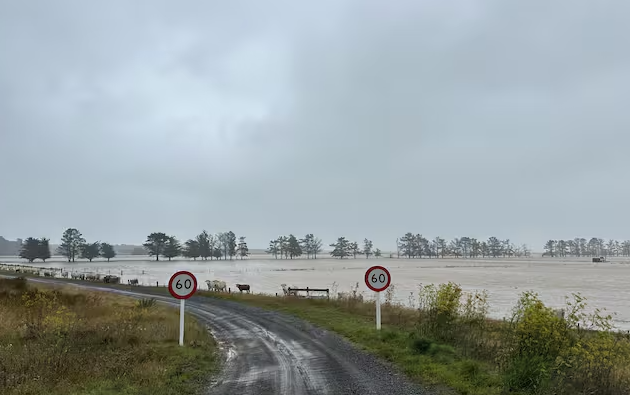
Running a business always comes with risk.
Some risks are financial. Others are operational. And increasingly, businesses also need to think about what happens when severe weather or other unexpected events disrupt normal trading.
Flooding, storms, fire and other environmental events can affect your premises, equipment, stock, systems and your ability to keep operating.
You may not be able to prevent these events from happening, but you can take practical steps to reduce the impact on your business.
1. Protect your premises
If your office, workshop, shop or factory is in an area that could be affected by flooding, storms or fire, it is worth reviewing how well protected the property is.
Depending on your location and business, this might include:
Flood protection or drainage improvements
Stronger doors and windows
Fire-resistant materials
Securing machinery, equipment and stock
Making sure important infrastructure is protected
The aim is simple: reduce the potential damage and make it easier to get back up and running afterwards.
2. Make sure your systems and data are backed up
Most businesses now rely heavily on technology.
Accounting records, customer information, payroll, job management systems and important business documents may all be needed to keep things moving.
If those systems are only available from your main premises, you could have a problem if the site becomes inaccessible.
Using cloud-based systems and reliable offsite backups can help ensure important information can still be accessed from another location.
It is also worth regularly checking that your backups are actually working.
3. Review your insurance
Insurance is an important part of managing business risk.
Take some time to make sure your policies still reflect your current business.
Consider whether you have appropriate cover for your:
Buildings and contents
Machinery and equipment
Stock
Vehicles
Business interruption
Business interruption cover can be particularly important if an event means you are unable to trade normally for a period of time.
Speak with your insurance adviser about the risks that are most relevant to your business and location.
4. Have an emergency plan
When something goes wrong, it is much easier to respond if everyone already knows what to do.
Your emergency plan does not need to be overly complicated.
It should cover practical things such as:
How staff will evacuate safely
Where everyone should meet
Who is responsible for key tasks
How machinery or equipment should be shut down
How you will contact staff and customers
How you could operate from another location if necessary
Who your important emergency contacts are
Make sure your team knows where the plan is and review it from time to time.
Think about business continuity, not just emergencies
Being prepared is about more than getting through the initial event.
You also need to think about how the business would continue afterwards.
How long could you operate without access to your premises?
Could staff work remotely?
Could you still access your accounting and business systems?
Would you have enough cashflow available if trading was disrupted?
These are important questions to consider before you are faced with an emergency.
Planning now can make recovery much easier
At Cross Group, we believe good business planning includes thinking about what could go wrong as well as what could go right.
Having the right systems, insurance, financial planning and business continuity processes in place can make a significant difference when unexpected events occur.
If you would like help reviewing the financial and business continuity side of your risk planning, talk to the Cross Group team.
A little planning now could save a lot of stress later.